
How to Care for Barefoot Shoes So They Last for Years
To make sure our barefoot shoes serve you well for years and stay comfortable, they need a little regular care. Here are the essential rules and practical tips to keep them in top shape - from cleaning and proofing to proper everyday use and off-season storage.
Cleaning: Forget the Washing Machine
The washing machine is enemy #1. It destroys glue bonds, material structure, and the original shape of your barefoot shoes. The same goes for harsh cleaning agents—steer clear of them.
Textile Uppers
Clean them by hand using lukewarm soapy water and a cloth or a soft brush. If they’re heavily soiled, remove the insoles and laces, and let the shoes soak briefly (max. 30 minutes). Then gently squeeze them out by hand and rinse with clean water. Never wring or twist them - just press out excess water and let them air-dry naturally.
Vegan Materials (Autumn & Winter Models)
Vegan materials are tough and handles dirt much better. Still, regular cleaning is essential - especially when it comes to mud and road salt. A damp cloth or a soft sponge will do the trick. Don't let dirt dry on the upper - the longer it stays, the harder it is to clean, and it can affect the material's look and properties. If the shoes are completely caked in mud, let it dry slightly first, gently brush it off, and finish up with a damp cloth.
Outsoles
Remove dust, small pebbles, and road salt residues from the outsoles. An old toothbrush or a small scrub brush works like a charm. Then let the outsoles dry completely. If white salt stains appear on the rubber, wipe them with a cloth dipped in a 1:1 mixture of water and vinegar. Vinegar neutralizes salt and restores the rubber’s original look. Finish by wiping the soles with clean water.
Drying: Give Your Barefoots Time
Let your barefoot shoes dry at room temperature in a well-ventilated space. Never put them on a radiator, near a fireplace, or in direct sunlight. Forget hairdryers or ovens - it sounds funny, but people have tried it! High heat permanently damages both the uppers and the natural rubber outsoles.
- Preparation: For faster drying, remove the insoles, unlace the shoes, and open up the tongue.
- Final Check: Once fully dry, check for any remaining water or dirt marks. Simply wipe them away with a damp cloth.

💡 PRO TIP: Stuff crumpled absorbent paper inside each shoe to draw out moisture (swap it out a few times if needed). The paper also helps maintain the shoe's shape while drying. Shoe trees work great too, but simple paper gets the job done just fine.
Proofing: The Foundation of Durability
Proofing is non-negotiable for long-lasting shoes. Before you wear your new pair for the first time, give them a good protective layer using a proofing spray to repel moisture and dirt.
How to do it right:
- Where: Outdoors or in a well-ventilated room.
- Distance: Spray evenly from about 20 cm away.
- Preparation: Always apply to clean, dry shoes.
- Layers: Two thin layers work much better than one thick layer—the protection spreads more evenly and lasts longer.
Proofing Barefoot Sneakers
Canvas sneakers only need proofing about once a month—or more often if you walk in dusty environments or clean them with water.
- City vs. Nature: Basic dirt and stain protection is fine for town, but pick a waterproof-effect spray if you head out into nature.
- Tip: Don't forget the laces! Give them a quick spray after washing to keep them looking fresh longer.
Proofing Autumn & Winter Barefoots
Vegan uppers naturally resist moisture better than canvas, but winter salt and snow give the material a hard time. During winter season, proof your boots every 2 to 3 weeks using sprays designed specifically for synthetic footwear.

💡 PRO TIP: Check out the eco-friendly PEDAG Natural Protector on our e-shop. It's gentle, silicone-free, and reliably protects hemp canvas as well as synthetic materials. For everyday maintenance, the PEDAG Cleaner Set has everything you need to care for both uppers and outsoles (you can also use the PEDAG Sole Cleaner specifically for outsoles).
Hygiene & Interior Freshness
Caring for the Inside of Barefoot Sneakers
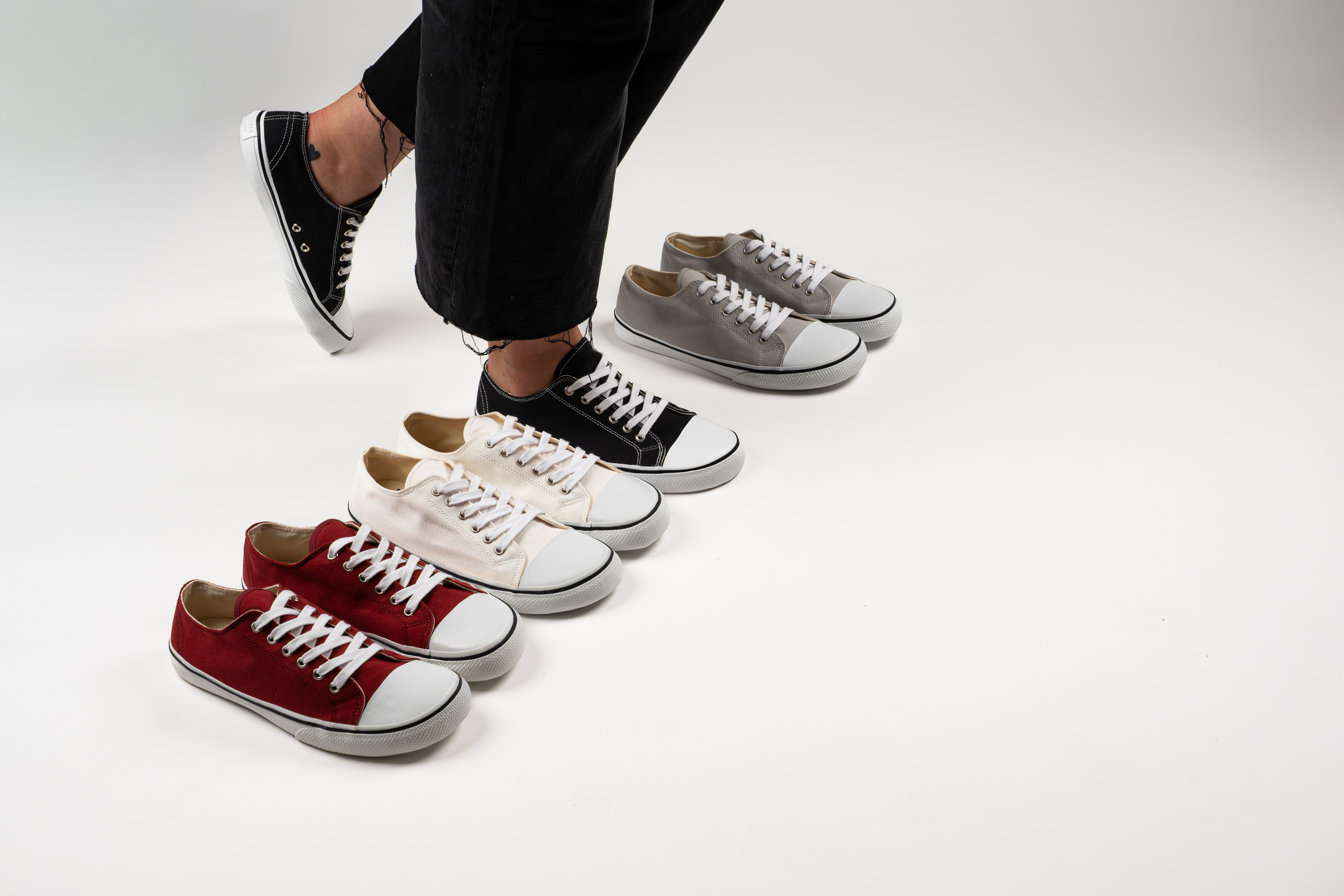
A major advantage of Bohempia hemp barefoots is their natural breathability. Even so, caring for the interior pays off to keep them fresh over time.
- Air them out: If you wear them barefoot, pull out the insoles after every wear and let the shoes air out completely in a dry spot.
- Rotate your pairs: In warmer months, alternate between different pairs so the shoes have time to dry out thoroughly between wears.
- Socks: Wear thin, breathable socks made from natural fibers that wick away sweat effectively.
Caring for the Inside of Winter Barefoots
Since autumn and winter models are higher and warmer, they need a bit more attention after each wear.
- Insoles out: Always pull out the insoles when you get home and let the boots dry at room temperature.
- Natural fibers: Stick to natural socks in winter too—they absorb moisture, keep the interior clean, and prevent unwanted odors.
💡 PRO TIP: Keep the inside of your shoes fresh with PEDAG Deo Spray. It eliminates odor-causing bacteria and leaves your shoes clean even after a full day on your feet. Just spray it inside occasionally and let it dry.
Off-Season Storage
When you’re not wearing your barefoot shoes, store them in a dry, well-ventilated place.
- Avoid plastic bags: Never seal shoes in airtight plastic bags—moisture gets trapped, causing musty smells or mold. Use the original shoe box or a breathable cloth bag instead.
- Long-term storage: Before storing your shoes away for the season, clean, dry, and proof them thoroughly.
- Keep their shape: Insert shoe trees or crumpled paper to hold their shape. Store them in a cool, dark place with good airflow, and they’ll be ready to go next season!